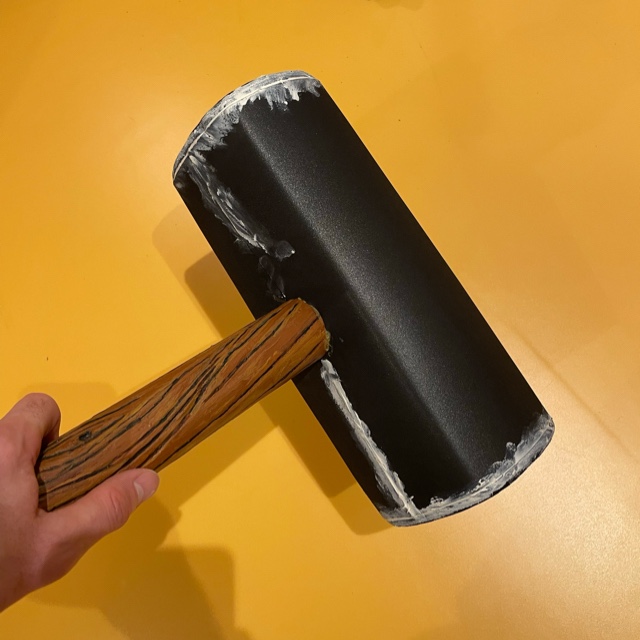

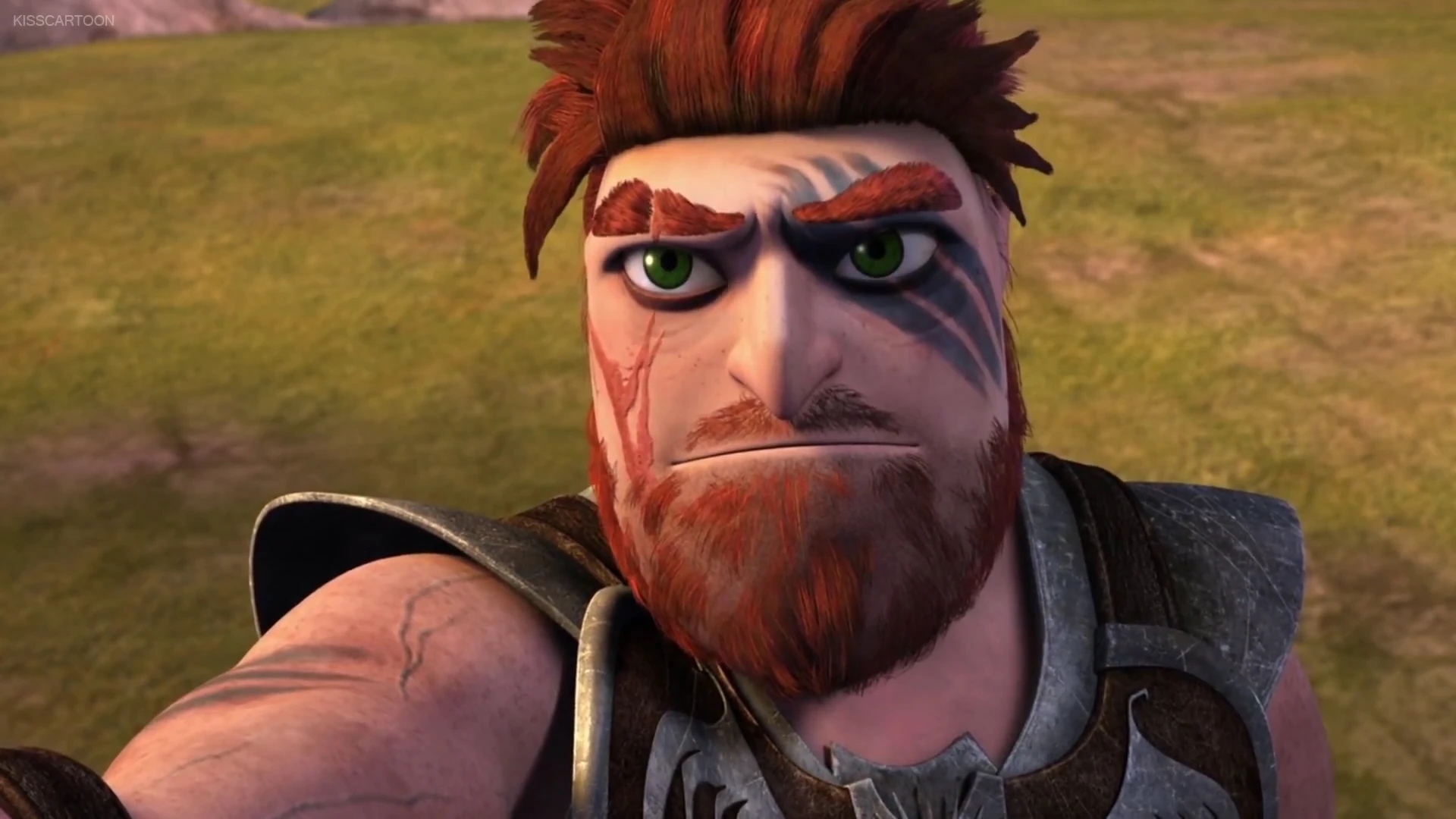
Dirt is essential, something is only new once. When we use things they become worn and they acquire a patina, sometimes they get dirty. How we look after them gives our things and our clothes character. While researching Dagur from How to Train Your Dragon, I become slightly obsessed about how to represent dirt and age on his armour or his axe. There are a lot of stories in the scrapes and grime on his armour.
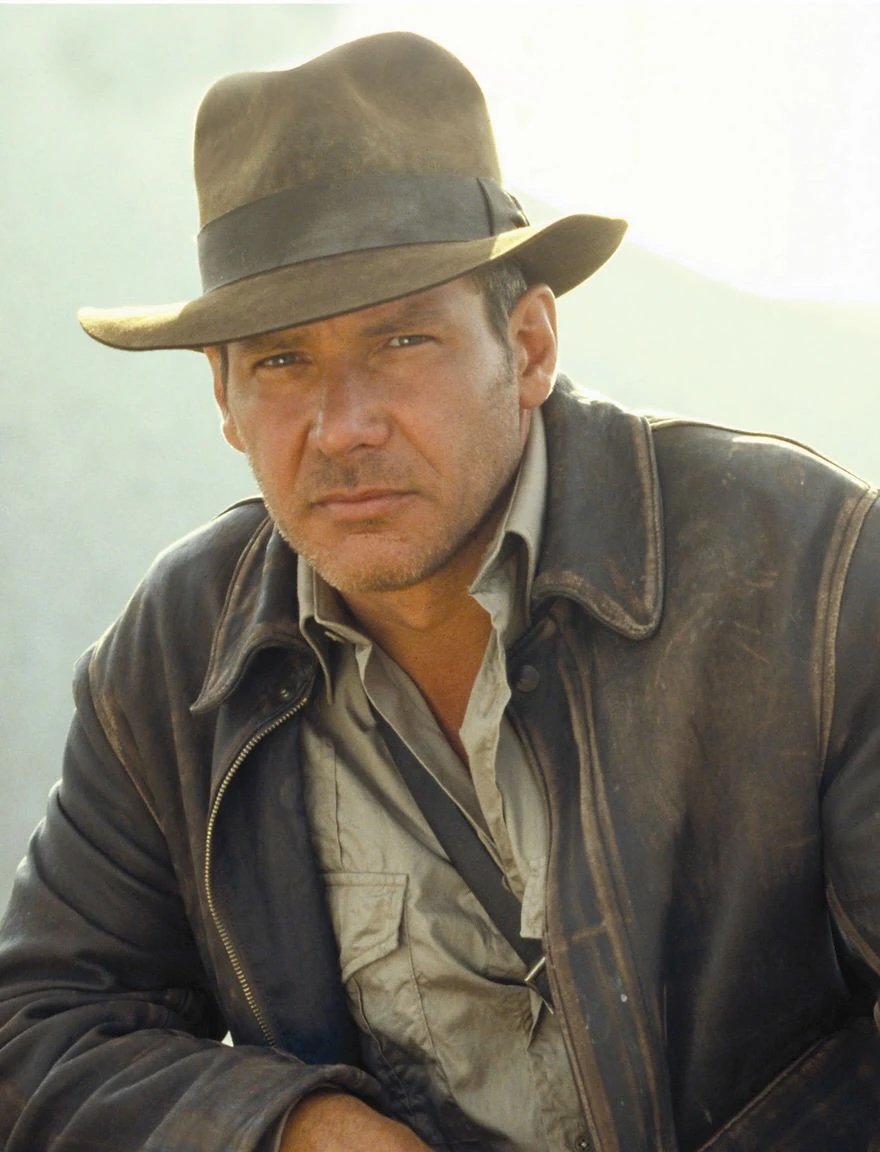
When we watch TV or films, we often are quick to spot changes in a prop or item of clothing as a continuity error. These jump out at us, as we know they’re not possible. It’s a whole job in film-making, taking Polaroids (back in the day) now digital pictures to ensure people look the same, even if filmed days apart.
Making costumes and props feel worn, not box fresh
In cosplay the materials were working with are not the same as the real armour, nor do we experience the same conditions. I’m not living with dragons on an island in the middle of the ocean. So we need to fake them and this fake aging or weathering sits on top of a prop which is ready an imitation of the real item. So our weathering has to do two jobs it has to show age and convince us that the underlying prop is the thing which is aging. Cosplay armour and props also need to appear to be rigid and have mass,
I chatted briefly to Beth from Amazonian cosplay and she describes it as “understanding the character narrative is essential” to creating a good cosplay. I’d wholly agree, I think that’s partly why I got stuck last summer over Dagur. I wanted to understand how the armour worked and was maintained. I think my initial idea of using worbla as external surface for the shoulder armour was the right one, so I’ll re-work my plans for Dagur to incorporate worbla with foam underneath to give a sense of mass and stiffness. Rather than just using 10 mm foam.
Understanding how the dirt or the damage arrives on the prop or the armour is really important. A solid heavy piece of shoulder armour is going to resist cuts. Surface scrapes and bashes feel more appropriate where as a lighter piece of leather armour might have a deep scratch. Thinking through the history of each piece of weathering will create more realistic prop. The dirt shouldn’t feel “stuck on” and understanding the psychology of the character will let us know how much cleanup they might do. An ork or a troll might walk around with a filthy tunic, but the armour and weapons will be well maintained. Whereas another character would look after the tunic and clean it, even if the garment was well worn.
Minis as a means to understand dirt and damage
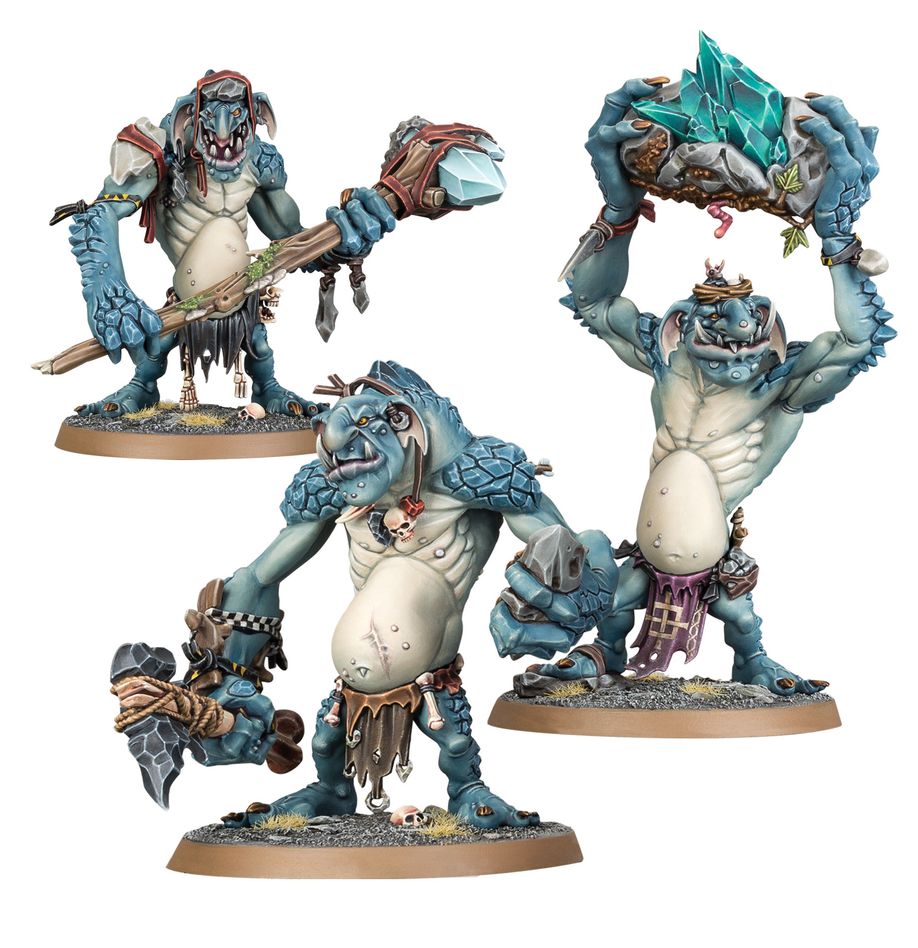
Recently, I’ve been looking at Warhammer figures again after a long gap. I was surprised how clean the painting of the figures look. I understand this is to show off the detail of the sculpt but particularly for orcs, trolls or creatures of chaos. I would expect there to be more dirt slime and general fluids. The trolls above look so polished, like they’re off for Sunday lunch.
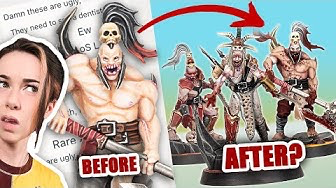
I find Rogue Hobbie’s / Louise’s retouching of the cultists fascinating as a way of bringing character to a very clean paint scheme. She really brought them to life by adding some gore and some warpaint to give them some individuality. See the reference images of the Kamandora’s Blades on the Warhammer site.
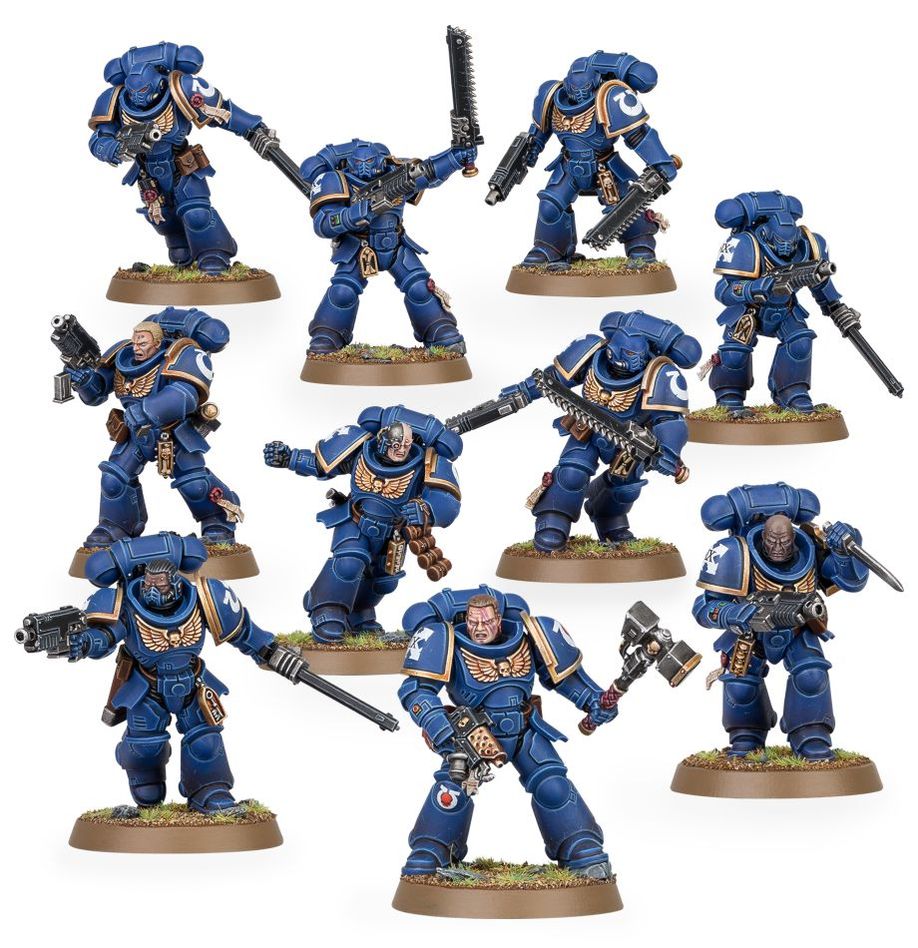
Leaning into the character narrative for space marines, I get it, they’re in parade dress looking their finest. I think the larger games like Warhammer 40 K or age of Sigmar drive this parade dress look or looking like the box photo as often there might be 100 models to paint. The more skirmish like games which are closer to role-playing allow each figure to have an individual character and so the paint represents the things which have happened to them, their history.
This balance between figures as tokens to represent forces versus figures to represent individual characters matters. I think cosplay leans much more into the individual. You are often picking a named character to play, often that person from a particular episode or film. I know sometimes people choose a space marine or a stormtrooper as their “character”. The anonymity of playing a uniformed character is also fun. Plenty of people really enjoy playing Spider-Man.
I drafted this before Christmas and have since got more involved in warhammer minis and have a few projects underway. I can improve my painting more quickly with a set of bought 28 mm scale miniatures, rather than making from scratch a 1930 mm scale cosplay for myself. There is such a wide range of painting styles for minis. From a clean and quick table ready for a game through to incredible painting of Nurgle characters in particular from Warhammer Quest Darkwater. Some great Ork models too. I’ll be sharing a mix of cosplay, electronics and warhammer on here this year. Moving between mini scale and human scale is helping me to think about different layers of representation.
 gavin makes
Leave a comment